
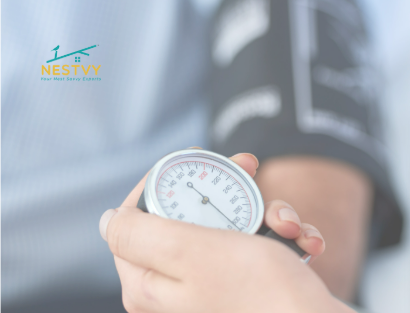
High Blood Pressure and Older Adults
High blood pressure, or hypertension, is a major health problem that is common in older adults. Your body’s network of blood vessels, known as the vascular system, changes with age. Arteries get stiffer, causing blood pressure to go up. This can be true even for people who have heart-healthy habits and feel just fine. High blood pressure, sometimes called “the silent killer,” often doesn’t cause signs of illness that you can see or feel. Though high blood pressure affects nearly half of all adults, many may not even be aware they have it.
Why it matters?
High blood pressure (hypertension) is very common in older adults because arteries tend to become stiffer with age. It is often called the“silent killer” because many people have no noticeable symptoms. If left uncontrolled, it can increase the risk of:
- Heart disease
- Stroke
- Vascular dementia
- Kidney disease
- Eye problems
Understanding blood pressure numbers
- Heart Normal: Less than 120/80 mmHg
- Elevated: Systolic 120-129 and diastolic below 80
- High blood pressure: Systolic 130 or higher, or diastolic 80 or higher
Risk factors
Higher risk is associated with:
- Increasing age
- Family history
- Certain health conditions, such as kidney disease or thyroid problems
- Sex-related differences across life stages
- African American race, according to the article’s risk discussion
How to control blood pressure
The page emphasizes both lifestyle changes and medication when needed:
- Maintain a healthy weight.
- Get regular exercise, aiming for about 150 minutes per week of moderate activity.
- Follow a heart-healthy eating plan such as DASH.
- Reduce salt (sodium) intake.
- Limit alcohol consumption.
- Avoid smoking.
- Get adequate sleep and address sleep apnea if present.
- Manage stress.
Bottom line: High blood pressure is common in older adults and often has no symptoms, but it can usually be managed successfully through lifestyle changes, regular monitoring, and medication when necessary. Controlling it helps protect both heart and brain health.